

Blog
May 17th, 2026
Not Just Jaguars: A Pantanal Wildlife Photography Workshop Through Wild Brazil
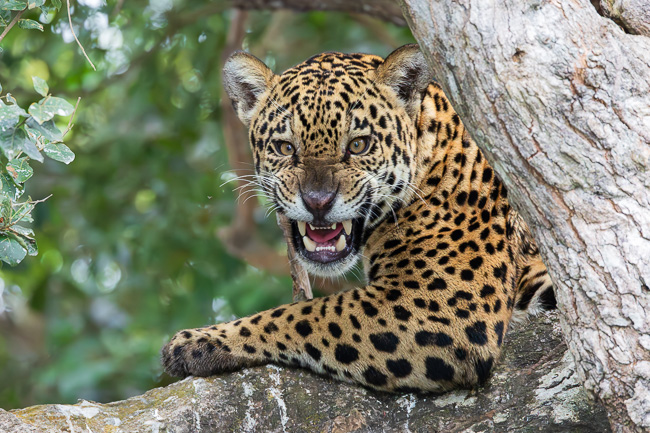 Jaguars may be the headline, but they are only one chapter in this wild Brazil journey.
My 2028 Ultimate Pantanal Wildlife Workshop moves through three dramatically different ecosystems: the Atlantic Rainforest, the Pantanal, and the South Amazon.
We begin with toucans, hummingbirds, tanagers, parakeets, and other rainforest birds at Trilha dos Tucanos. Then we move to Bonito’s incredible macaw sinkhole, where Red-and-Green Macaws fly, call, circle, and drop into one of the most dramatic bird photography locations in Brazil.
From there, the trip shifts into the Pantanal.
At Pousada Aguapé, we look for Giant Anteaters, Southern Tamanduas, Hyacinth Macaws, Toco Toucans, and the rich birdlife that makes this region so addictive for photographers. Every stop has a purpose. Every location adds something different.
Then comes Porto Jofre — five prime days on private skiffs for Jaguars, Giant Otters, capybaras, tapirs, and river wildlife. This is classic Pantanal photography: water, reflections, movement, heat, calls from the riverbank, and the possibility that everything can change in a heartbeat.
The final chapter is Jardim da Amazônia, where spring-fed waters, forest hikes, canoe outings, primary forest, and Amazon wildlife bring the trip into a quieter, beautiful finish.
For photographers, that variety matters.
You are not spending nineteen days repeating the same scene. You are building a body of work across color, behavior, flight, predators, mammals, birds, water, forest, and rare species most people never see well — much less photograph well.
That is what makes this Brazil wildlife photography workshop so exciting.
Jaguars. Macaws. Giant Anteaters. Giant Otters. Rainforest birds. South Amazon forest. Private skiffs. Small group. Serious field time.
Wild Brazil, from start to finish.
Learn more about the 2028 Ultimate Pantanal Wildlife Workshop
Jaguars may be the headline, but they are only one chapter in this wild Brazil journey.
My 2028 Ultimate Pantanal Wildlife Workshop moves through three dramatically different ecosystems: the Atlantic Rainforest, the Pantanal, and the South Amazon.
We begin with toucans, hummingbirds, tanagers, parakeets, and other rainforest birds at Trilha dos Tucanos. Then we move to Bonito’s incredible macaw sinkhole, where Red-and-Green Macaws fly, call, circle, and drop into one of the most dramatic bird photography locations in Brazil.
From there, the trip shifts into the Pantanal.
At Pousada Aguapé, we look for Giant Anteaters, Southern Tamanduas, Hyacinth Macaws, Toco Toucans, and the rich birdlife that makes this region so addictive for photographers. Every stop has a purpose. Every location adds something different.
Then comes Porto Jofre — five prime days on private skiffs for Jaguars, Giant Otters, capybaras, tapirs, and river wildlife. This is classic Pantanal photography: water, reflections, movement, heat, calls from the riverbank, and the possibility that everything can change in a heartbeat.
The final chapter is Jardim da Amazônia, where spring-fed waters, forest hikes, canoe outings, primary forest, and Amazon wildlife bring the trip into a quieter, beautiful finish.
For photographers, that variety matters.
You are not spending nineteen days repeating the same scene. You are building a body of work across color, behavior, flight, predators, mammals, birds, water, forest, and rare species most people never see well — much less photograph well.
That is what makes this Brazil wildlife photography workshop so exciting.
Jaguars. Macaws. Giant Anteaters. Giant Otters. Rainforest birds. South Amazon forest. Private skiffs. Small group. Serious field time.
Wild Brazil, from start to finish.
Learn more about the 2028 Ultimate Pantanal Wildlife Workshop
May 15th, 2026
Wild Alaska by Private Yacht: Why This Katmai Photo Workshop Is Different
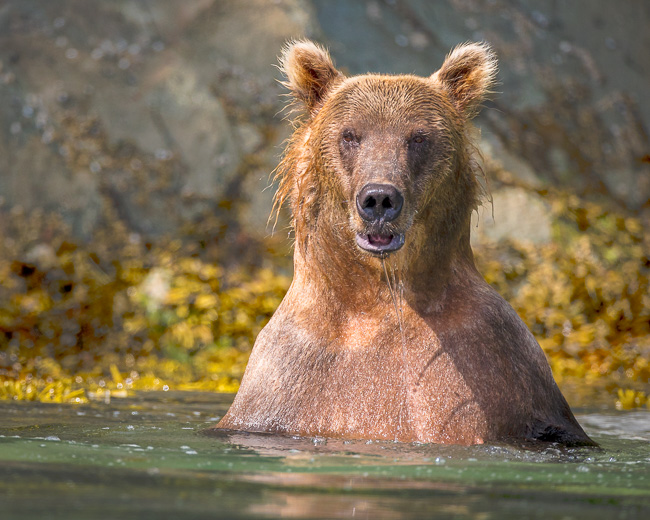 Where else can you spend nearly a week aboard a private yacht on the Katmai Coast, photographing coastal brown bears, chasing light, and sharing wild Alaska with like-minded photographers?
That is what makes my 2027 Kodiak Wildlife & Brown Bears of the Katmai Coast workshop so different.
We begin in Kodiak with a full-day marine wildlife tour and a full-day Kodiak Island photography adventure. Then we fly by Beaver floatplane to our privately chartered expedition yacht for six nights along the wild Katmai Coast.
The yacht is not just lodging. It is our floating basecamp — and that changes the whole experience.
Because we are based aboard our private yacht, we have the freedom to come and go, follow the wildlife, and change locations as the light and conditions evolve. We can reposition along this spectacular coastline and make the most of what wild Alaska gives us each day.
For photographers, that kind of flexibility is gold.
The Katmai Coast is one of the great places in the world to photograph coastal brown bears — fishing for salmon, grazing, raising cubs, sparring, resting, and moving through wild volcanic landscapes. But this workshop is not only about bears. Kodiak and the Katmai Coast also offer opportunities for whales, sea otters, puffins, eagles, seals, glaciers, rugged shorelines, seabirds, and dramatic Alaska weather.
This is a trip built for photographers who want real access, serious field time, hands-on instruction, and a true field experience — without losing the joy of being out there.
You are not just checking Alaska off a list. You are spending long days in the field, watching behavior, working with light and backgrounds, and building stronger images throughout the trip.
A private yacht. Coastal brown bears. Wild Alaska. Good people. Long field days. The freedom to move when the light, weather, and wildlife come together.
That is what makes this Alaska wildlife photography workshop so hard to top.
Learn more about the 2027 Kodiak Wildlife & Brown Bears of the Katmai Coast.
Where else can you spend nearly a week aboard a private yacht on the Katmai Coast, photographing coastal brown bears, chasing light, and sharing wild Alaska with like-minded photographers?
That is what makes my 2027 Kodiak Wildlife & Brown Bears of the Katmai Coast workshop so different.
We begin in Kodiak with a full-day marine wildlife tour and a full-day Kodiak Island photography adventure. Then we fly by Beaver floatplane to our privately chartered expedition yacht for six nights along the wild Katmai Coast.
The yacht is not just lodging. It is our floating basecamp — and that changes the whole experience.
Because we are based aboard our private yacht, we have the freedom to come and go, follow the wildlife, and change locations as the light and conditions evolve. We can reposition along this spectacular coastline and make the most of what wild Alaska gives us each day.
For photographers, that kind of flexibility is gold.
The Katmai Coast is one of the great places in the world to photograph coastal brown bears — fishing for salmon, grazing, raising cubs, sparring, resting, and moving through wild volcanic landscapes. But this workshop is not only about bears. Kodiak and the Katmai Coast also offer opportunities for whales, sea otters, puffins, eagles, seals, glaciers, rugged shorelines, seabirds, and dramatic Alaska weather.
This is a trip built for photographers who want real access, serious field time, hands-on instruction, and a true field experience — without losing the joy of being out there.
You are not just checking Alaska off a list. You are spending long days in the field, watching behavior, working with light and backgrounds, and building stronger images throughout the trip.
A private yacht. Coastal brown bears. Wild Alaska. Good people. Long field days. The freedom to move when the light, weather, and wildlife come together.
That is what makes this Alaska wildlife photography workshop so hard to top.
Learn more about the 2027 Kodiak Wildlife & Brown Bears of the Katmai Coast.
May 5th, 2026
Clear Views, Clean Angles: Why Vehicle Space Matters on a Botswana Photo Safari
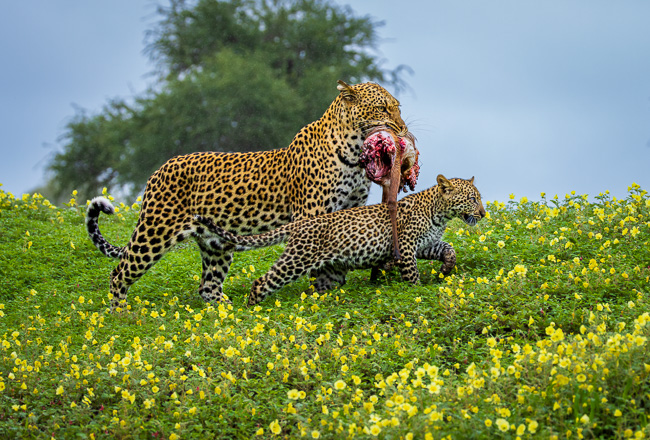 A safari vehicle is not just transportation. For photographers, it is your shooting platform.
Where it stops, how it is angled, which side has the light, and whether you have room to move your lens can make the difference between a missed frame and a stronger photograph.
That is why my 2028 Mashatu Wildlife Photography Safari in Botswana is built with only seven guests split between two private vehicles, with a maximum of four photographers per vehicle.
This is not about luxury or extra comfort. It is about space to work, clear views, clean angles, and better photographs.
With fewer photographers in each vehicle, there is more room for long lenses, quicker reactions, and cleaner views. Just as important, when everyone can work from the same side of the vehicle, our local driver-guides can position us for the whole group at once. That means better alignment with the light, better backgrounds, and fewer compromises when wildlife behavior unfolds quickly.
I have worked with my Mashatu guide team since 2019. They are not just drivers. They are local experts who understand wildlife behavior, terrain, light, and how serious photographers need to work. They know when to wait, when to move, and how a few feet forward or back can completely change the image.
Because of that long-standing relationship, we can run this as a true photography-focused safari. When the light is good, the behavior is building, or the wildlife is lining up, we adapt the field time to the opportunity in front of us instead of simply following a generic camp schedule.
Mashatu is a powerful place for wildlife photography: elephants, leopards, lions, cheetahs, bat-eared foxes, rich birdlife, baobabs, mashatu trees, and the real tension of predator-prey behavior. In January, Mashatu can also come alive with carpets of yellow Devil’s Thorn flowers, adding color and texture to an already dramatic setting.
For photographers, all of this matters: space, guides, light, behavior, patience, and the ability to stay productive in the field.
That is what this Botswana photo safari is built around.
Clear views. Clean angles. Serious field time. Experienced local guides. And a small-group structure designed for photographers who want more than a seat on safari.
Learn more about the 2028 Mashatu Wildlife Photography Safari.
A safari vehicle is not just transportation. For photographers, it is your shooting platform.
Where it stops, how it is angled, which side has the light, and whether you have room to move your lens can make the difference between a missed frame and a stronger photograph.
That is why my 2028 Mashatu Wildlife Photography Safari in Botswana is built with only seven guests split between two private vehicles, with a maximum of four photographers per vehicle.
This is not about luxury or extra comfort. It is about space to work, clear views, clean angles, and better photographs.
With fewer photographers in each vehicle, there is more room for long lenses, quicker reactions, and cleaner views. Just as important, when everyone can work from the same side of the vehicle, our local driver-guides can position us for the whole group at once. That means better alignment with the light, better backgrounds, and fewer compromises when wildlife behavior unfolds quickly.
I have worked with my Mashatu guide team since 2019. They are not just drivers. They are local experts who understand wildlife behavior, terrain, light, and how serious photographers need to work. They know when to wait, when to move, and how a few feet forward or back can completely change the image.
Because of that long-standing relationship, we can run this as a true photography-focused safari. When the light is good, the behavior is building, or the wildlife is lining up, we adapt the field time to the opportunity in front of us instead of simply following a generic camp schedule.
Mashatu is a powerful place for wildlife photography: elephants, leopards, lions, cheetahs, bat-eared foxes, rich birdlife, baobabs, mashatu trees, and the real tension of predator-prey behavior. In January, Mashatu can also come alive with carpets of yellow Devil’s Thorn flowers, adding color and texture to an already dramatic setting.
For photographers, all of this matters: space, guides, light, behavior, patience, and the ability to stay productive in the field.
That is what this Botswana photo safari is built around.
Clear views. Clean angles. Serious field time. Experienced local guides. And a small-group structure designed for photographers who want more than a seat on safari.
Learn more about the 2028 Mashatu Wildlife Photography Safari.
Nov 23rd, 2021
How to become a better wildlife photographer in your own back yard.
Lessons learned in the value of photographing locally.
I’m often asked, “How do I get better at wildlife photography when I really don’t have much wildlife to photograph where I live?”
My answer: Birds! Found in every backyard! Get creative, Get disciplined, and… Just. Keep. Shooting.
We’ve all heard “Practice Makes Perfect.” So much so that it’s become utterly cliché and forgettable. We see life hacks and shortcuts in social media for everything from brick laying to parkour. But here’s the deal – there is simply no shortcut to photographic mastery. You have to shoot almost every day. And when you do, the results can be more rewarding than you ever imagined.
Listen, it doesn’t matter if you live in a natural wonderland like Big Timber, Montana or in the deepest inner city of an East Coast metropolis, you can always find wonderful, challenging, and inspiring wildlife to photograph. But just like in the wild, you must put in the time – time to practice, time to look, time to explore. Time to open your eyes and your mind to what lives around you, to unexpected opportunities, and… Just. Keep. Shooting.
One of the great passions of my life is leading wildlife photography workshops and tours. But I’m not in a National Park or in the backcountry every day. So, what do I do to stay sharp in the meantime? I photograph the wildlife that lives around me. Birds being my favorite! Birds are a challenging photographic subject and if you are a good bird photographer, I guarantee you will be a good wildlife photographer.
In 2017, I was out exploring some back roads by my home. I was specifically looking for active cavity nests to photograph. I love photographing bird parents bringing in food to their insatiable young and then quickly exiting the cavity to find more food. I found a Narrowleaf Cottonwood tree nearby my home where a pair of Lewis’s Woodpeckers were nesting and excitedly started photographing. I shot them for three straight days until the young fledged.
Upon reviewing the images that I obtained, I observed that one of the parents was delivering what looked like a tiny nestling bird to feed its young. Intrigued, I pulled out the field guides and learned the following about Lewis’s Woodpeckers:
They are not like other woodpeckers. The males and females look alike. They fly like a crow, forage like a flycatcher, don’t make loud calls or drum. They eat insects and berries which they like to cache on the flat top of a broken off tree. Often, they will tenderize it by pounding it against the flat tree top. They are inefficient cavity makers and so prefer very rotten trees that are easier to excavate and thus they often nest in the same cavity year after year.
Nothing about robbing nests or feeding embryonic birds to their young. Since there was a good chance that they would reuse the same tree or cavity, I made a note to check on them the next Spring.
I have now gone back every Spring, 4 years in a row to the same tree, getting new, wonderful photographs and newly documented behavior. During this time I utilized a Canon EOS-1D X Mark II or a Canon EOS-1D X Mark III DSLR with focal lengths ranging from 500 mm to 1200 mm. I captured almost 40,000 images of the adults as they arrived at the nest with food.
What I discovered was incredibly rewarding and as it turns out, also of considerable scientific value. As you can see from the photos, nestling passerines were indeed on the menu! In fact, when tallied I found these deliveries comprised almost 12% of all the food brought to the nest. This had never before been documented in Lewis’s Woodpeckers.
My study was simple, local, and required minimal planning. But because I took the time, exercised discipline, and carefully documented what I saw, I was able – for the first time, actually – to provide clear evidence that not only did these birds feed their young the nestlings of other birds, but that they did so in what appeared to be a well-established foraging pattern.
I submitted my findings to The Wilson Journal of Ornithology, and with the help of Jeff Marks and Victoria Saab, it was reviewed, accepted, and was published in the December 2020 edition.
Bottom line: Just. Keep. Shooting. And don’t ever think your there’s no value to shooting your immediate surroundings. You’ll become a better photographer, a keener observer, and who knows, you might even contribute to greater understanding of the wild animals around you.
Sep 29th, 2018
Five Reasons Why I Shoot in Manual Exposure Mode
Whilst preparing my presentation 'Photographing Yellowstone Winter Wildlife', to be given as the Canon Guest Speaker for the 2018 Bozeman Photo Expo, I had to revisit a number of topics. I thought this might interest a wider audience.
Nov 25th, 2017
Capturing Winter Wonder: Photographing Yellowstone’s Winter Wildlife
 Originally published November 25, 2017. Updated for photographers planning a Yellowstone winter wildlife photography trip.
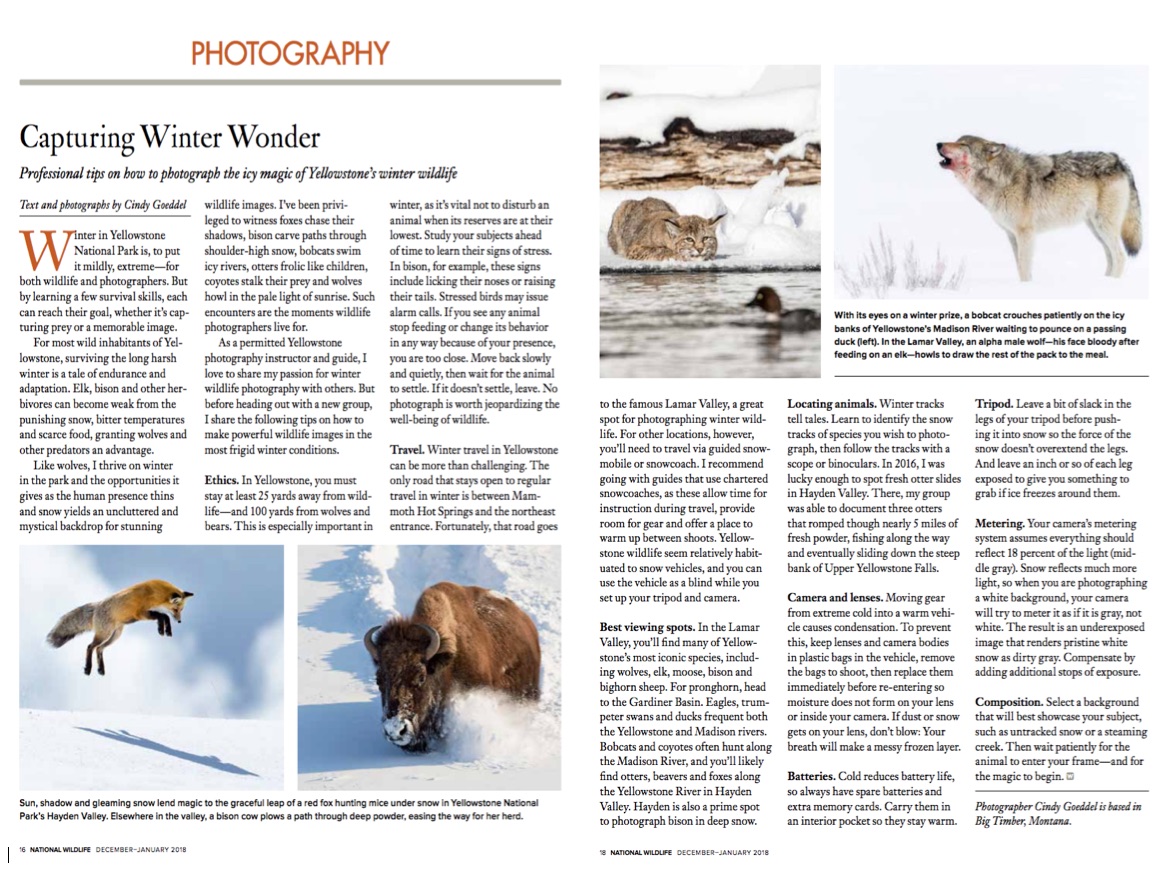
In 2017, I was delighted to be approached by National Wildlife to write an article on how to photograph Yellowstone’s winter wildlife. The article, “Capturing Winter Wonder,” focused on the field craft, preparation, ethics, and patience required to photograph wildlife in one of the most demanding seasons of the year.
Yellowstone in winter is not simply Yellowstone with snow on the ground. It is an entirely different photographic experience. The crowds are thinner, the landscape is quieter, and snow simplifies the scene in a way that can make wildlife images feel cleaner, stronger, and more timeless.
For photographers who want to experience this season in the field, I now lead a small-group 2027 Yellowstone Winter Wildlife Photography Workshop focused on winter wildlife, snow, soft light, and serious field time.
Why Yellowstone Winter Photography Is So Different
Winter strips Yellowstone down to its essentials.
The snow removes visual clutter. Steam rises from thermal areas. Bison push through deep powder. Foxes listen for movement beneath the snow. Coyotes hunt across open flats. Wolves move through Lamar Valley. Bobcats may appear along icy river corridors. Even familiar subjects become more powerful when photographed against clean snow, soft light, and the stark reality of winter survival.
This is what makes Yellowstone winter wildlife photography so compelling. The images are not only about the animal. They are about endurance, atmosphere, behavior, and place.
What Makes a Strong Yellowstone Winter Wildlife Image
The best winter wildlife photographs are rarely just tight portraits. Strong winter images often combine clean backgrounds, visible behavior, careful composition, and a real sense of environment.
Snow can simplify an image beautifully, but it can also fool the camera meter and turn white snow gray. Cold temperatures drain batteries faster. Moving gear between warm vehicles and freezing air can create condensation. Tripods can sink into snow. Gloves can make camera handling slow and awkward.
These details matter because winter photography rewards preparation. When the moment finally happens, you need to be ready.
Field Craft Matters
Photographing Yellowstone’s winter wildlife requires more than knowing camera settings.
You need to understand how animals move through the landscape, how they conserve energy, and how to recognize when your presence may be affecting behavior. In winter, animals are already working hard to survive. Good field craft means giving wildlife space, moving slowly, staying aware, and letting behavior unfold naturally.
The goal is not to chase images. The goal is to recognize opportunity, position responsibly, and be ready when the moment comes together.
Photographing Yellowstone Wildlife Responsibly
Ethics matter in every season, but they matter even more in winter.
In Yellowstone, photographers and visitors are required to stay at least 100 yards from wolves and bears and at least 25 yards from other wildlife, including bison, elk, and other large animals. Those distances are minimums, not goals. In winter, I often give animals even more room.
No photograph is worth pushing wildlife, interrupting natural behavior, or forcing an animal to burn energy it needs to survive.
Patience is part of the craft. The best images often come when the photographer slows down and lets the scene develop.
Why I Still Love Photographing Yellowstone in Winter
I have photographed Yellowstone in many conditions, but winter remains one of the most powerful seasons for wildlife photography.
The light can be soft and subtle. The backgrounds are often clean. The behavior can be intense. The environment itself becomes part of the story.
For photographers willing to work in the cold and stay patient, Yellowstone winter offers opportunities that simply do not exist in the same way during any other season.
Join Me in Yellowstone in Winter 2027
My 2027 Yellowstone Winter Wildlife Photography Workshop is designed for photographers who want a serious field-based experience in one of the most visually powerful seasons in Yellowstone.
The workshop includes Lamar Valley field time, private snow coach access into the park interior, winter wildlife photography instruction, and hands-on guidance throughout the trip.
This is a workshop for photographers who want more than a casual visit. It is for people who want to understand the conditions, work with winter light, photograph wildlife responsibly, and come home with stronger images.
View the full 2027 Yellowstone Winter Wildlife Photography Workshop details here.
Originally published November 25, 2017. Updated for photographers planning a Yellowstone winter wildlife photography trip.
In 2017, I was delighted to be approached by National Wildlife to write an article on how to photograph Yellowstone’s winter wildlife. The article, “Capturing Winter Wonder,” focused on the field craft, preparation, ethics, and patience required to photograph wildlife in one of the most demanding seasons of the year.
Yellowstone in winter is not simply Yellowstone with snow on the ground. It is an entirely different photographic experience. The crowds are thinner, the landscape is quieter, and snow simplifies the scene in a way that can make wildlife images feel cleaner, stronger, and more timeless.
For photographers who want to experience this season in the field, I now lead a small-group 2027 Yellowstone Winter Wildlife Photography Workshop focused on winter wildlife, snow, soft light, and serious field time.
Why Yellowstone Winter Photography Is So Different
Winter strips Yellowstone down to its essentials.
The snow removes visual clutter. Steam rises from thermal areas. Bison push through deep powder. Foxes listen for movement beneath the snow. Coyotes hunt across open flats. Wolves move through Lamar Valley. Bobcats may appear along icy river corridors. Even familiar subjects become more powerful when photographed against clean snow, soft light, and the stark reality of winter survival.
This is what makes Yellowstone winter wildlife photography so compelling. The images are not only about the animal. They are about endurance, atmosphere, behavior, and place.
What Makes a Strong Yellowstone Winter Wildlife Image
The best winter wildlife photographs are rarely just tight portraits. Strong winter images often combine clean backgrounds, visible behavior, careful composition, and a real sense of environment.
Snow can simplify an image beautifully, but it can also fool the camera meter and turn white snow gray. Cold temperatures drain batteries faster. Moving gear between warm vehicles and freezing air can create condensation. Tripods can sink into snow. Gloves can make camera handling slow and awkward.
These details matter because winter photography rewards preparation. When the moment finally happens, you need to be ready.
Field Craft Matters
Photographing Yellowstone’s winter wildlife requires more than knowing camera settings.
You need to understand how animals move through the landscape, how they conserve energy, and how to recognize when your presence may be affecting behavior. In winter, animals are already working hard to survive. Good field craft means giving wildlife space, moving slowly, staying aware, and letting behavior unfold naturally.
The goal is not to chase images. The goal is to recognize opportunity, position responsibly, and be ready when the moment comes together.
Photographing Yellowstone Wildlife Responsibly
Ethics matter in every season, but they matter even more in winter.
In Yellowstone, photographers and visitors are required to stay at least 100 yards from wolves and bears and at least 25 yards from other wildlife, including bison, elk, and other large animals. Those distances are minimums, not goals. In winter, I often give animals even more room.
No photograph is worth pushing wildlife, interrupting natural behavior, or forcing an animal to burn energy it needs to survive.
Patience is part of the craft. The best images often come when the photographer slows down and lets the scene develop.
Why I Still Love Photographing Yellowstone in Winter
I have photographed Yellowstone in many conditions, but winter remains one of the most powerful seasons for wildlife photography.
The light can be soft and subtle. The backgrounds are often clean. The behavior can be intense. The environment itself becomes part of the story.
For photographers willing to work in the cold and stay patient, Yellowstone winter offers opportunities that simply do not exist in the same way during any other season.
Join Me in Yellowstone in Winter 2027
My 2027 Yellowstone Winter Wildlife Photography Workshop is designed for photographers who want a serious field-based experience in one of the most visually powerful seasons in Yellowstone.
The workshop includes Lamar Valley field time, private snow coach access into the park interior, winter wildlife photography instruction, and hands-on guidance throughout the trip.
This is a workshop for photographers who want more than a casual visit. It is for people who want to understand the conditions, work with winter light, photograph wildlife responsibly, and come home with stronger images.
View the full 2027 Yellowstone Winter Wildlife Photography Workshop details here.
Oct 15th, 2017
The Artist’s Eye
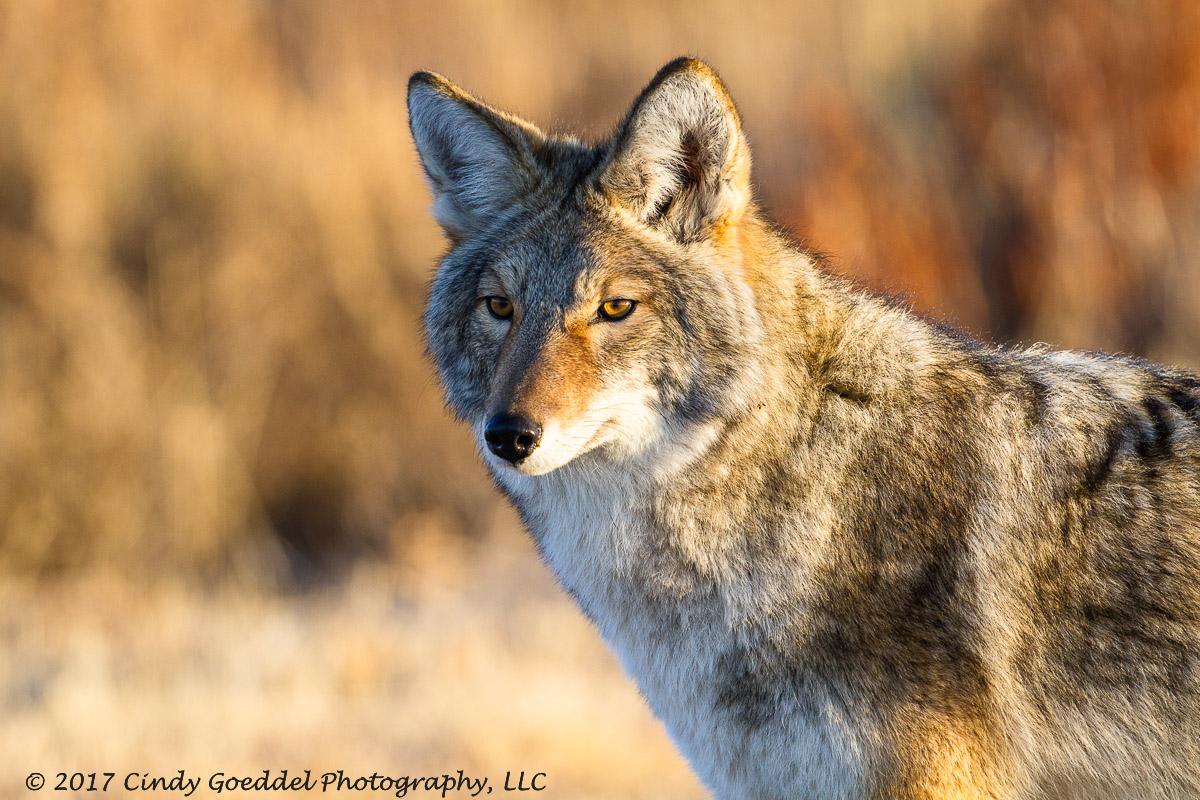 Excited to have been interviewed for an article on wildlife in the Rockies by the Big Sky Journal.
Apr 18th, 2017
Icy Dispatch
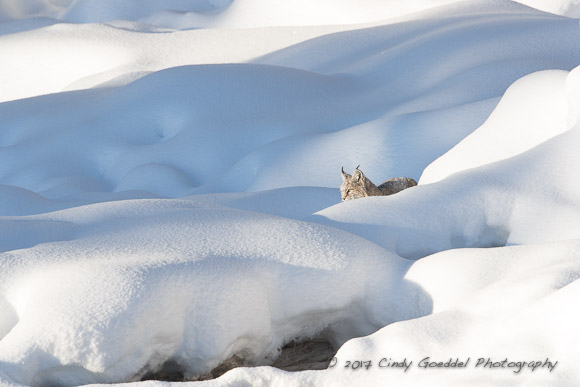 On February 2, 2017, while guiding clients, I had the photographic opportunity of a lifetime. A bobcat successfully stalking a drake mallard on the Madison River in Yellowstone ...
Mar 25th, 2016
Blogging the Blog - National Wildlife Week
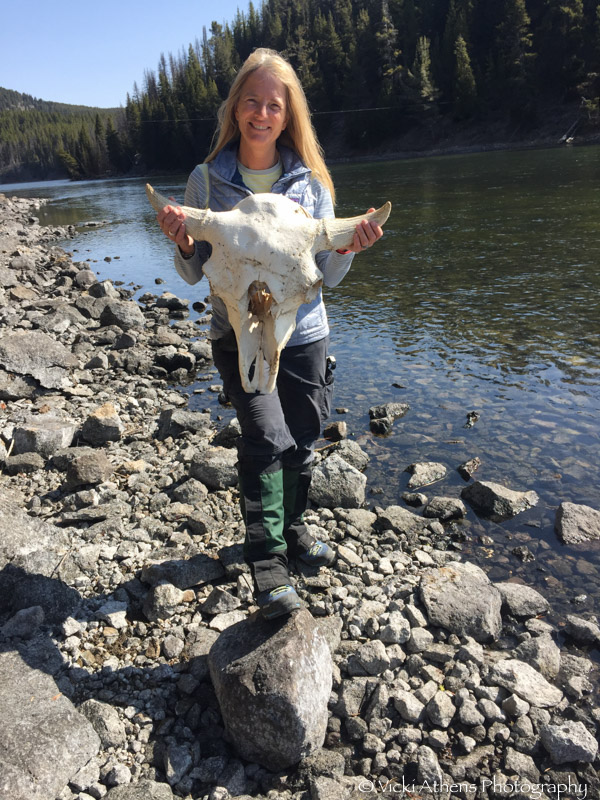 Jessie Yuhaniak is the Senior Manager of Marketing for National Wildlife Federation, and to spread the word about the wonderful work of the Federation she recently wrote a number of Blogs to highlight the events of National Wildlife Week. One of those blogs followed a conversation we had about my work in wildlife photography and what it means to be a member of NWF. Here's how it went ...
Mar 29th, 2015
Bison Behavior and Survival
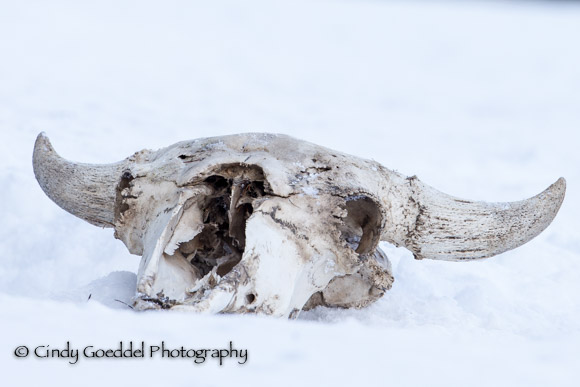 Despite appearances to the contrary, Bison are strong swimmers and cross the hefty Yellowstone River without hesitation. They enter the current and swim directly across with geometric economy, exiting the other bank in the shortest distance. Bison tend to favor specific crossing sites year after year, regardless of season or conditions.
Recent Entries
- Not Just Jaguars: A Pantanal Wildlife Photography Workshop Through Wild Brazil
- Wild Alaska by Private Yacht: Why This Katmai Photo Workshop Is Different
- Clear Views, Clean Angles: Why Vehicle Space Matters on a Botswana Photo Safari
- How to become a better wildlife photographer in your own back yard.
- Five Reasons Why I Shoot in Manual Exposure Mode
- Capturing Winter Wonder: Photographing Yellowstone’s Winter Wildlife
- The Artist’s Eye
- Icy Dispatch
- Blogging the Blog - National Wildlife Week
- Bison Behavior and Survival
- Winter Highlights Report
- Coyote Climbs Tree and Steals Bobcat’s Duck!